David Hansson
New Business Developer at ETP
Join us for a conversation about electrification opportunities, market trends and the applications he’s most excited to help bring into the electric era.
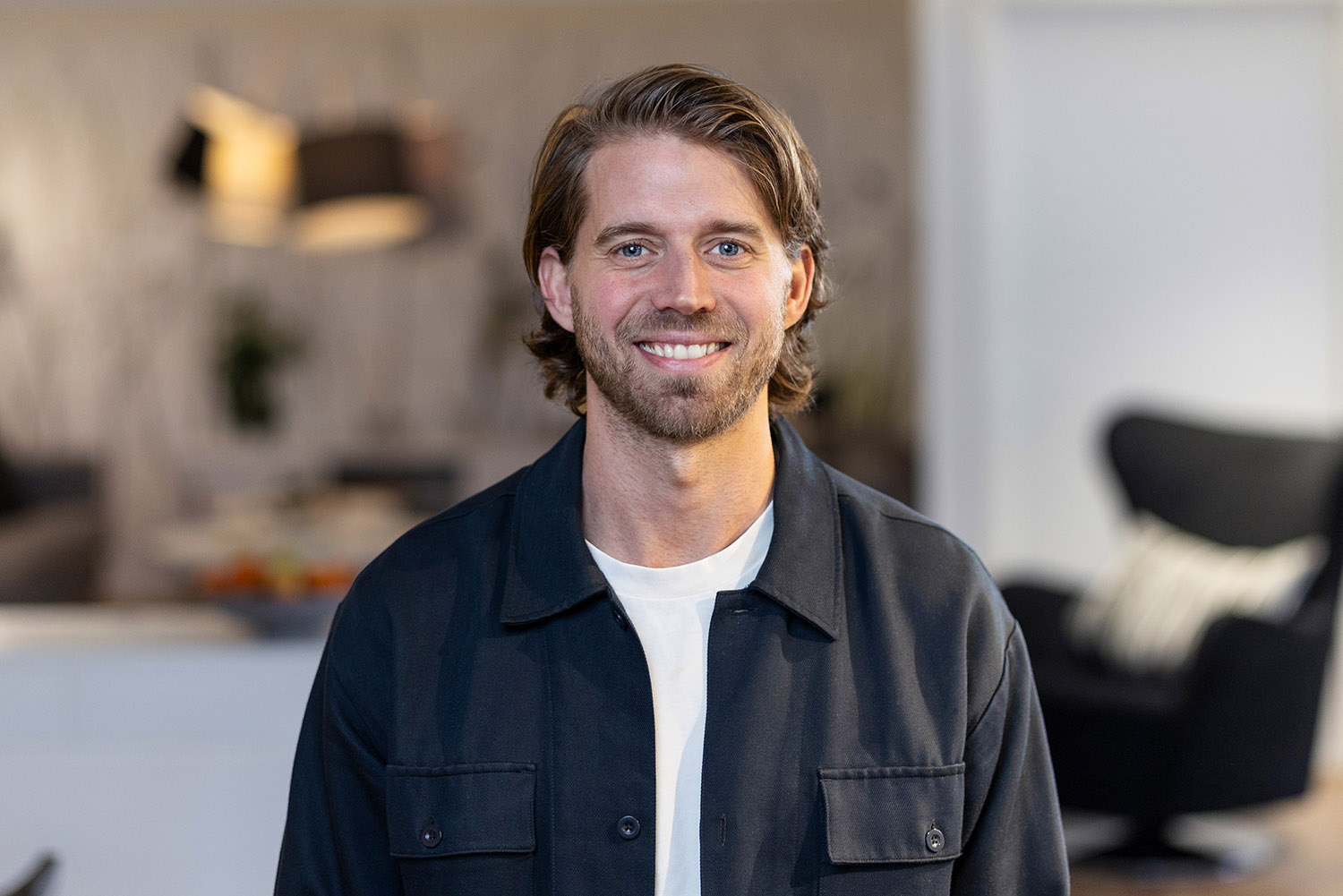
At the end of August, David Hansson joined ETP as a Business Developer. With previous experience from Northvolt, Parker Hannifin and Danfoss, he brings extensive expertise in both electrification and hydraulics. His role is an important part of ETP’s growth strategy and its ambition to support the green transition through the electrification of mobile applications.
We sat down with David for a conversation about the opportunities created by electrification, how the market is evolving, and the applications he’s most excited to help transition.
Electrification is a major shift for machine manufacturers. What are the benefits for those who choose to take the step?
- To me, it really comes down to future-proofing your business and staying competitive. Regulations are becoming stricter in many countries, and with ambitious climate targets across the EU and in Sweden, it will be increasingly difficult to compete with fossil-fuel-powered alternatives in the years ahead.
- Sustainability is already a key requirement in public procurement, and more and more private companies are also demanding lower emissions. For those who stay one step ahead, this creates clear business opportunities while ensuring they’re well prepared for future regulations.
And what does electrification mean for the end user?
- For end users, the benefits are often even more obvious. Lower noise levels and reduced pollution creates a safer, more comfortable working environment. Many users are also pleasantly surprised by the operating costs. High energy efficiency, lower energy costs and reduced maintenance requirements often result in a total cost of ownership that’s lower than with fossil-fuel-powered alternatives.
About David:
Civil engineer specialising in mechanical engineering and mechatronics from Linköping University. David most recently held the position of Business Developer at Northvolt, where his focus was on the conversion of off-highway machines. Prior to that, he worked on the development of hydraulic solutions at Parker Hannifin and Danfoss. David lives in Stockholm with his partner and two-year-old son.
I am really looking forward to tackling our customers' technical challenges and transforming them into new business opportunities and concrete steps towards reducing emissions.
David Hansson
Business Developer ETP
What type of machines do you think will be introduced
- Historically, indoor machines have led the way, but over the next five years I expect to see rapid progress in machines operating outdoors – particularly in urban environments. If I were to highlight one sector, it would be construction and contracting, where high-voltage technology now makes it possible to electrify even larger machines.
- One of the main challenges for electric construction equipment is charging, as it requires robust infrastructure and high power levels, which can be both costly and time-consuming to implement. That said, we’re already seeing companies develop creative solutions, such as portable charging stations, to address these challenges.
- If Sweden is to meet its climate targets, the construction industry will play a crucial role. The sector is characterised by strong ambitions and clear sustainability requirements from major clients. Combined with tightening regulations and growing customer demand, this makes me confident that the transition will accelerate rapidly – particularly within construction.
Do you have a dream project?
It would have to be forestry machines. Forestry has long been considered difficult to electrify, largely due to a lack of infrastructure. But given the rapid pace of technological development we are seeing today, I don’t believe that future is far away. Sweden has a large forestry sector, and if a greater share of its machinery were electrified, the environmental benefits would be significant. That is what truly motivates me – the opportunity to make a real difference in the green transition
Get in touch with ETP
With nearly 50 years of experience developing solutions for mobile machinery, we understand what it takes to succeed. Partnering with ETP makes the transition easier – and the solution better. Contact or follow us to find out more.


